History of Korea: 1840 – 1945
These instructional resources are made to complete the IB Course Companion History of Korea Textbook.
Rooted in inquiry-based learning and written by a transnational group of IB teachers, it provides content and guidance for exploring the history of Korea from 1840 to 1945. It was developed together by EuroClio and the Korean War Legacy Foundation, with the support of the International Baccaulearete.
Now available for free download, the History of Korea Course Companion is your go-to resource for fostering knowledge and exploring the new IB history curriculum.

01: Mid-Century Challenges
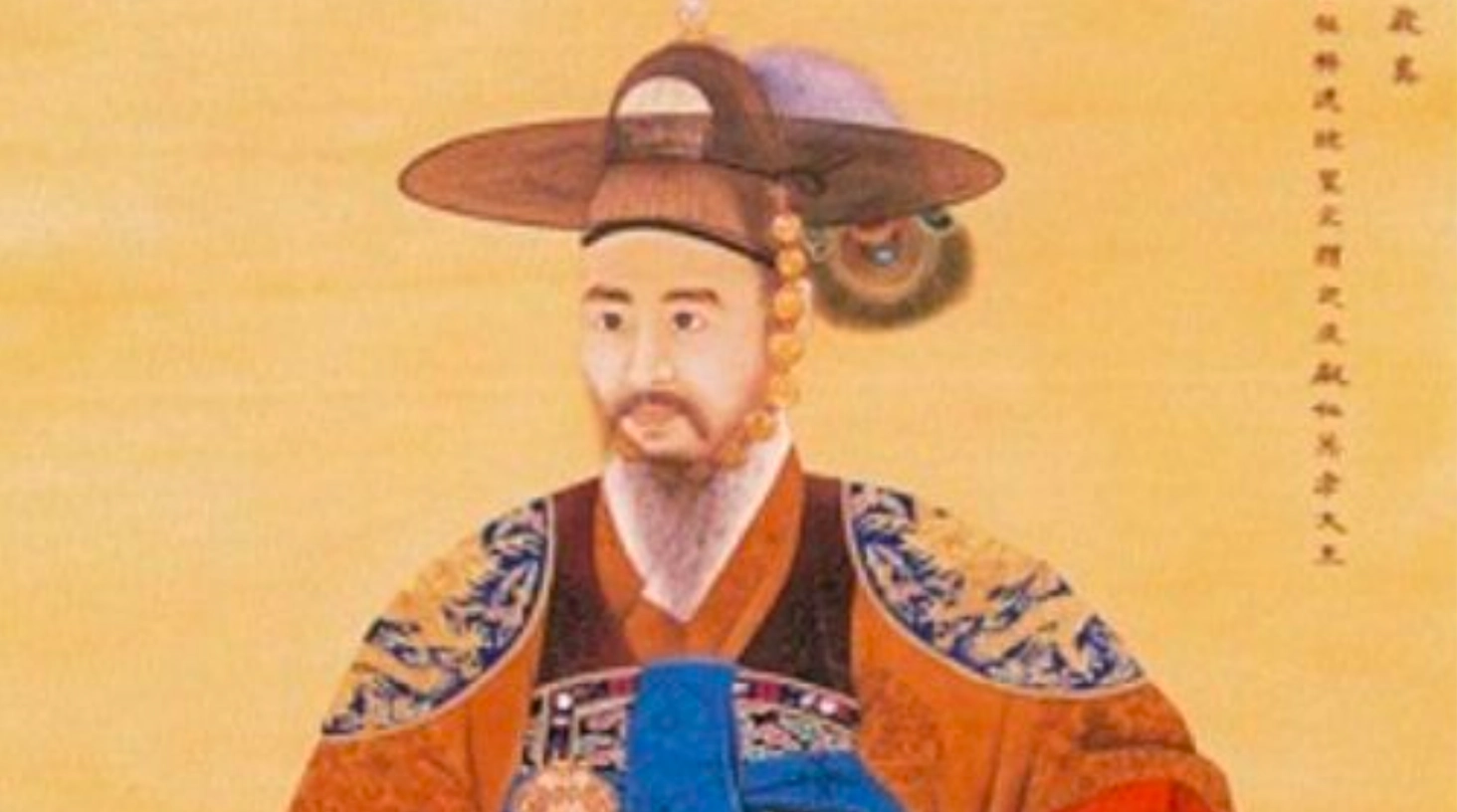
In the mid-19th century, Korea stood at a crossroads. Still governed by the long-standing Joseon Dynasty, it appeared — at least to outside observers — as a land isolated from the rapidly industrialising and imperialising world, resistant to foreign contact and entrenched in tradition. Western diplomats and imperialists referred to it as the “Hermit Kingdom,” a phrase that conjured images of a society cloistered in time and in need of being “opened.” This language, however, reflected more about the mindset of external powers than the reality of Korean society itself.
PDF
02: Opening up of Korea and Regional Perspectives
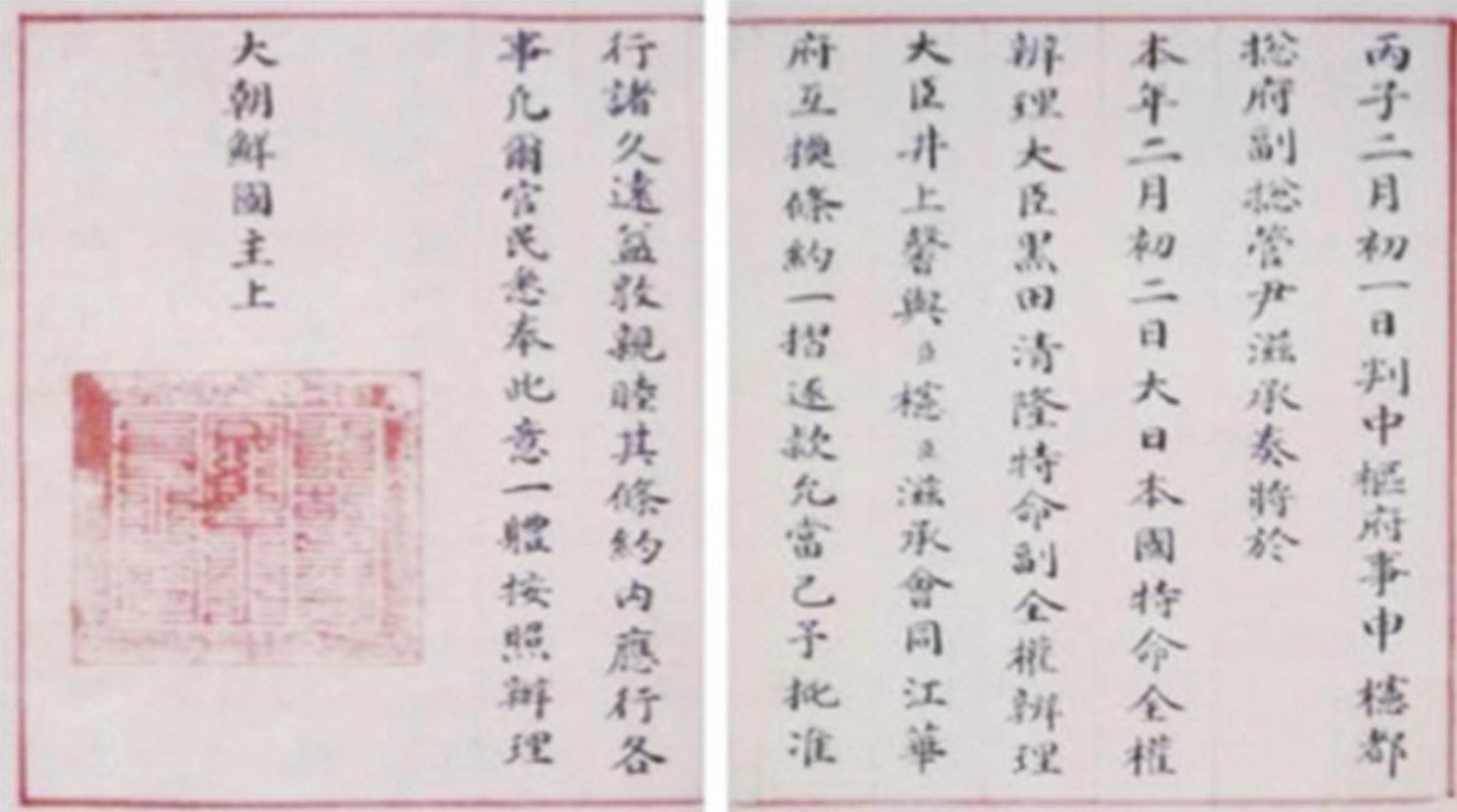
By the 1870s, Korea stood on the brink of transformation. The Daewongun’s decade of rule had reaffirmed isolationist policies, suppressed heterodox influences, and fortified the kingdom against external threats. His approach was rooted in the conviction that Korea’s sovereignty and stability could best be defended by preserving Confucian order and resisting foreign intrusion. Yet while this strategy had temporarily strengthened royal authority, it left unresolved a deeper dilemma: how could Korea sustain its autonomy in a world where neighbouring states were being forcibly drawn into new systems of trade, imperial diplomacy, and empire?
PDF
03: Impact on Regional Rivalries
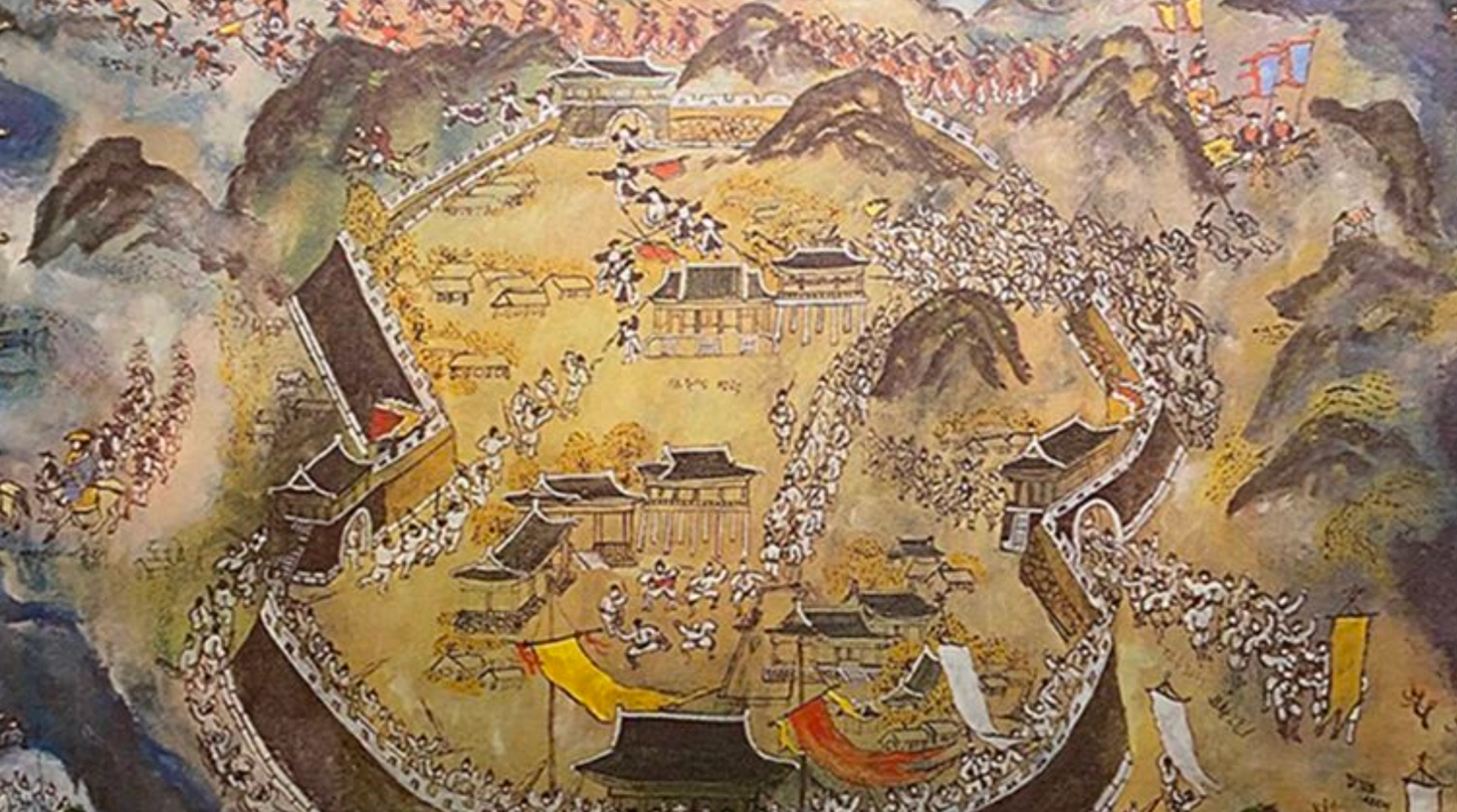
This chapter considers the role of regional rivalries in Korea between 1894 and 1897. It examines the circumstances in the middle part of the 1890s where Korea experienced domestic uprisings, reform programmes and regional rivalry and conflict. This provides the context for understanding the developments which would lead to the annexation of Korea by Japan in 1910. The focus of the chapter therefore is centered on the influence of regional rivalries and how this affected Korean politics, economy and society. However, the role of Korea itself is central to the narrative, especially in regard to how individual Koreans responded to the challenges at a time of external imperial interests in Korea and a need to modernise the structures of the Joseon Dynasty. The mid 1890s were a transformative period, and this chapter will examine the interactions between shifting societal change within Korea and external threats and influences.
PDF
04: Nature and Impact of Reforms under the Korean Empire
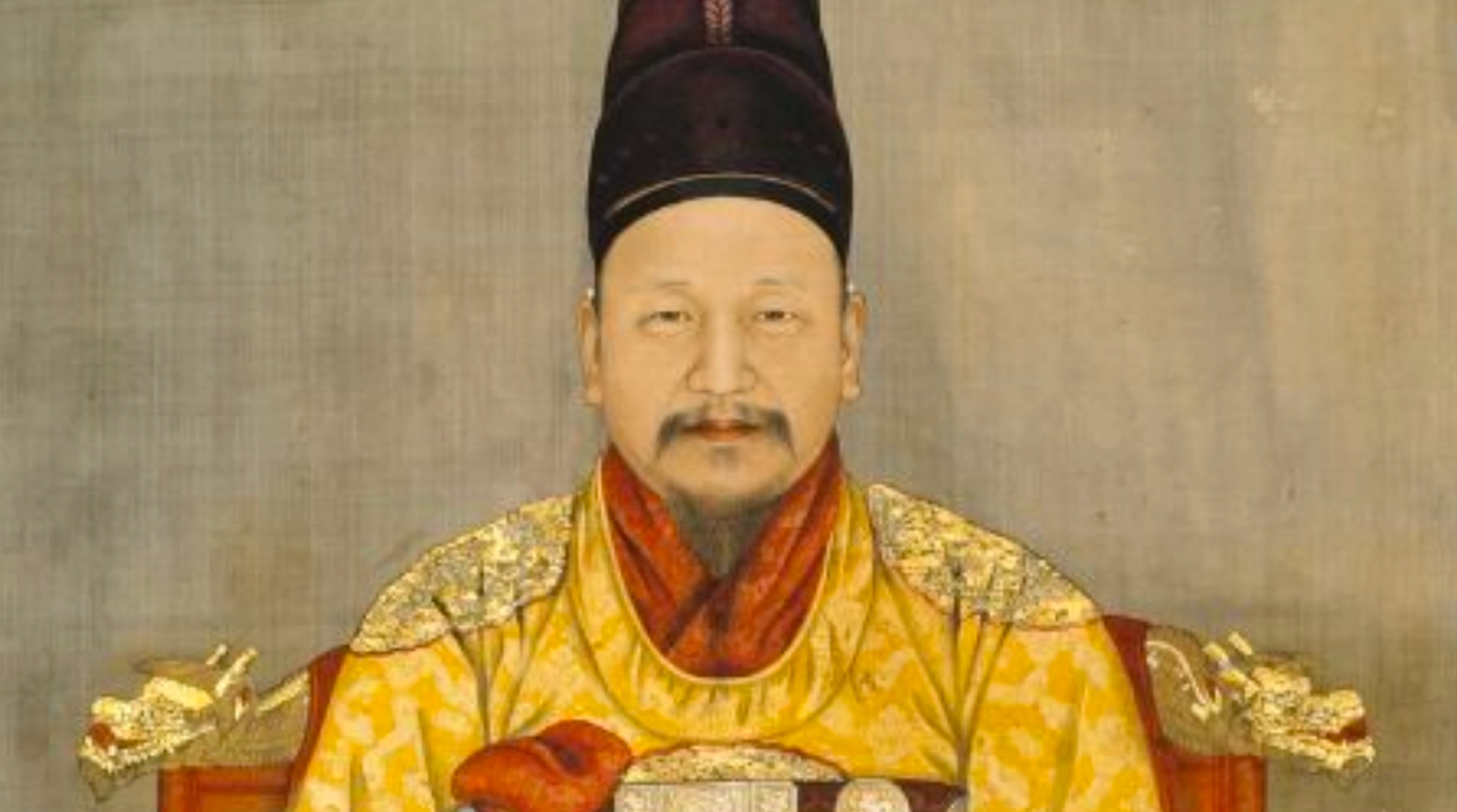
As seen in Chapter 3, by 1896 Queen Min had been assassinated, the period of Gabo Reform had come to an end and King Gojong had sought refuge in the Russian Legation. He re-emerged in early 1897, and within a matter of months, Korea had been transformed from a kingdom into an empire. In this period of transition, concern about the interests and influence of foreign powers in Korea continued to preoccupy its leaders.
PDF
05: Nature Of, and Social, Economic and Political Impact of Japanese Rule
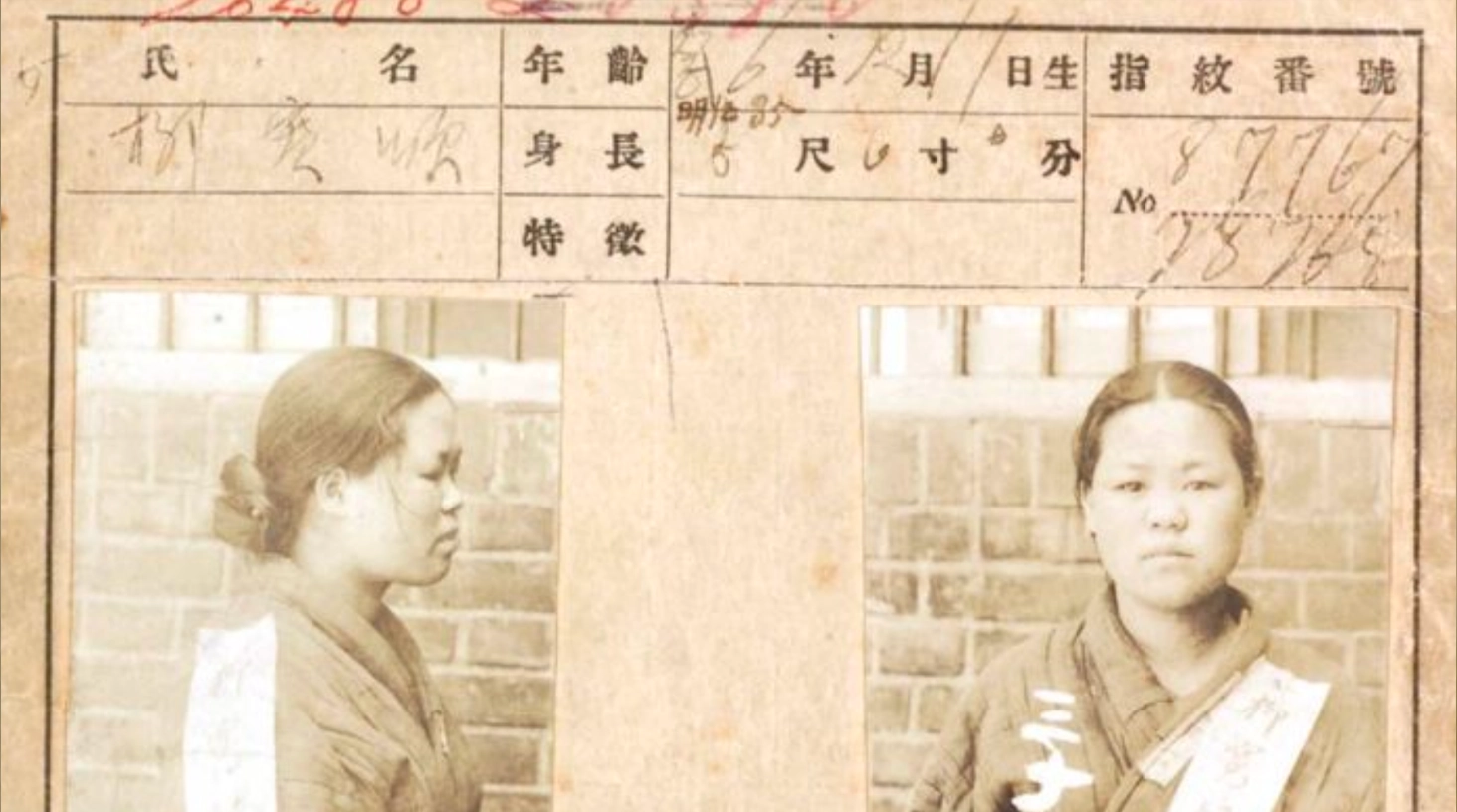
After examining the nature and impact of reforms under the Korean Empire, including the Gwangmu Reforms (1897–1904), efforts to modernize the state, the activities of the Independence Club (1896–1898), and Korean resistance to the Eulsa Treaty, the focus now shifts to the subsequent period of Japanese rule.
Korea shifted from an independent monarchy to a colony under Japanese authoritarian control, fundamentally altering its government and societal structures. The Japanese annexation and establishment of a colonial government in Korea brought significant social, economic, and political changes. This period was marked by both repression and resistance, including the notable Samil Independence (1st March) Movement of 1919, a widespread protest against Japanese rule that demonstrated Korea’s persistent nationalism, and desire for self-determination. Despite Japanese efforts to suppress Korean identity, resistance movements continued throughout the colonial period.
PDF
06: Social, Economic and Political Impact of the Sino-Japanese War
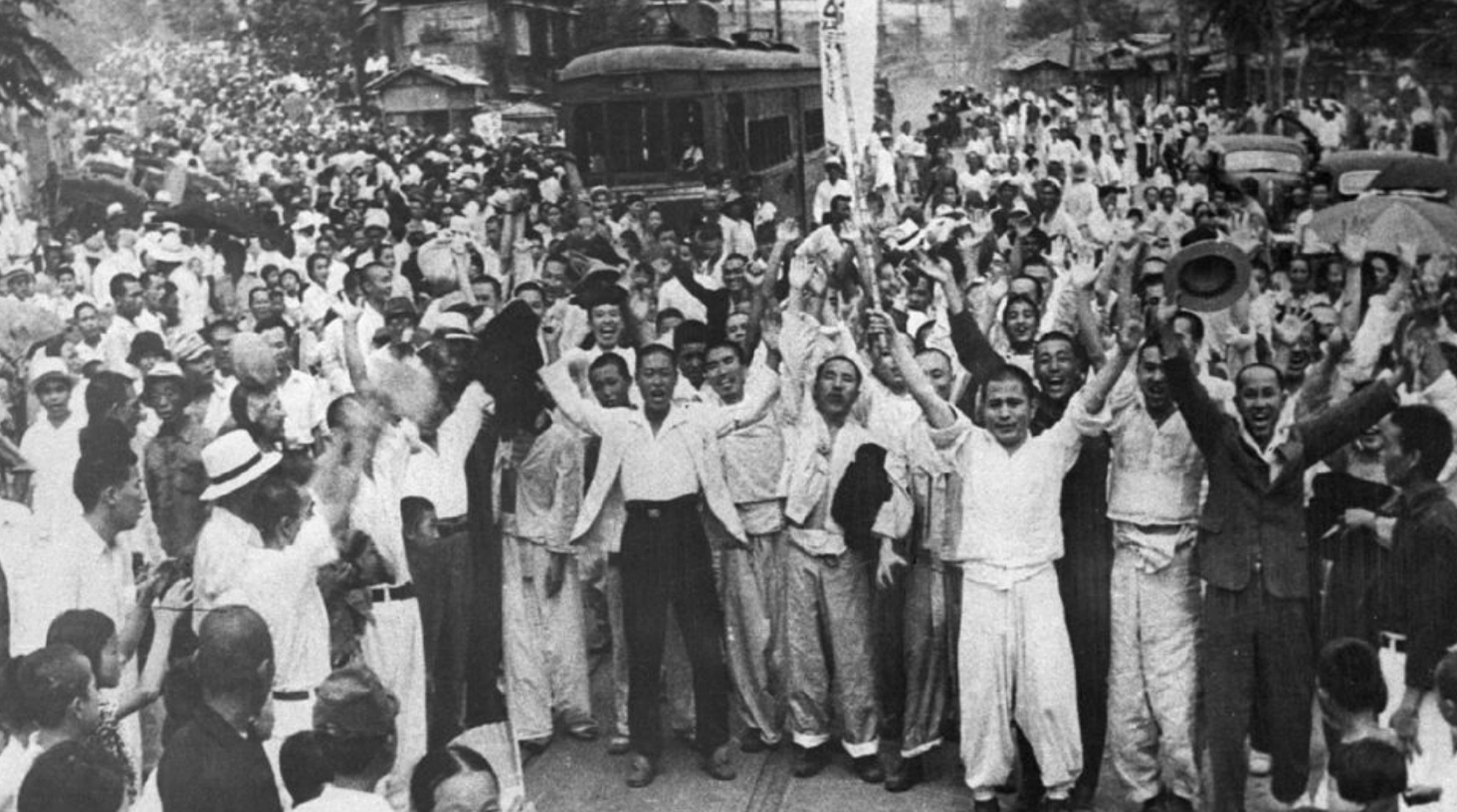
In 1910, Korea was annexed by Japan and subjected to a repressive colonial government that attempted to stamp out Korean national identity through aggressive assimilation policies. This produced significant reactions of Koreans both at home and abroad, demanding Korean independence. Key examples include Syngman Rhee and the Treaty of Versailles, the March First Movement, student protests, communist guerrilla fighters, and the Provisional Government. This colonial time period had waves of repression and loosening in response to Korean reactions and protest. The Korean population continued to resist, as well as sought to survive, colonial rule up to 1937 and the outbreak of the Second-Sino Japanese War.
PDF
This project was made possible through the generous support of the Ministry of Patriots and Veterans Affairs