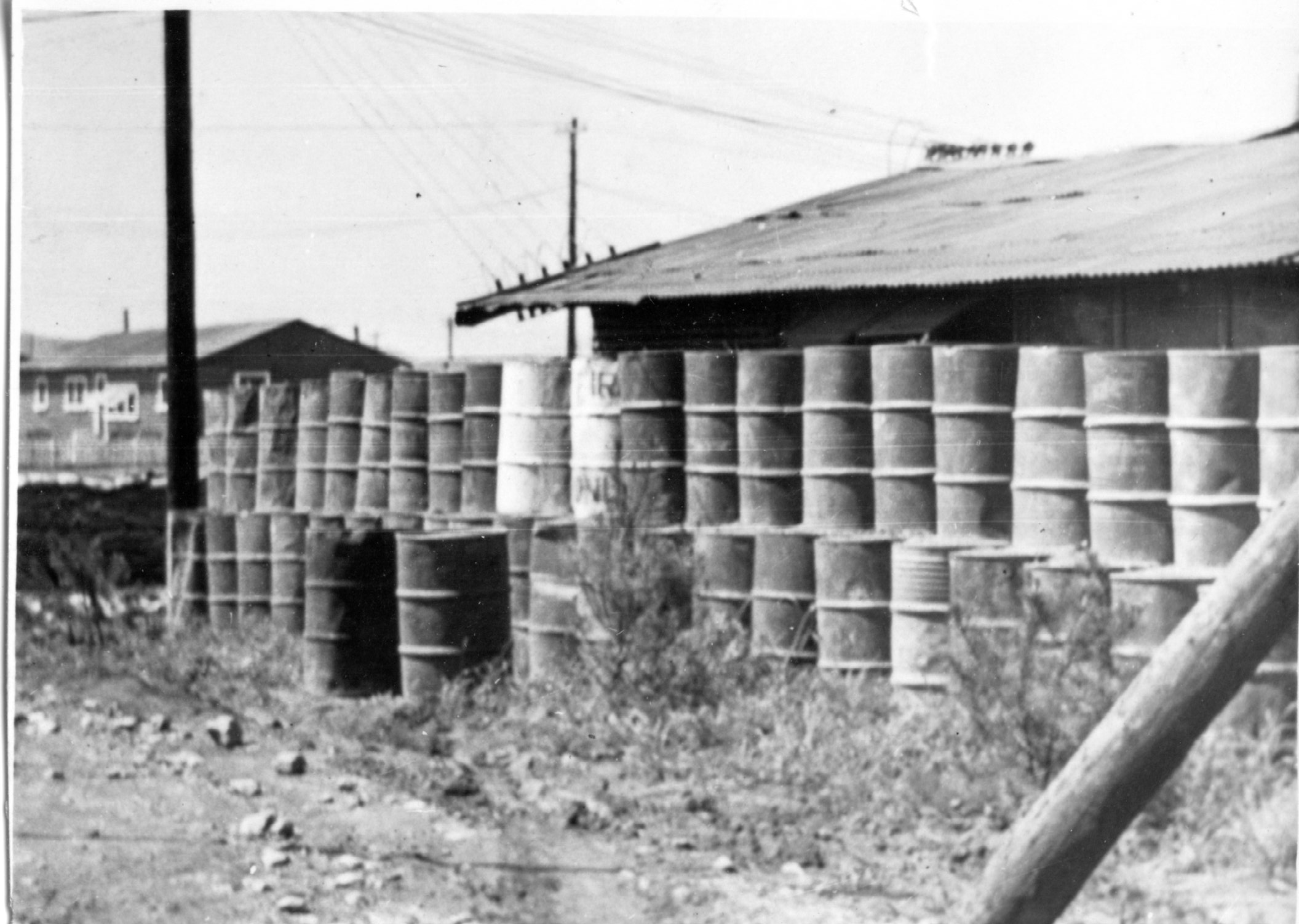
Charles Garrod
This content was supplied by family and/or community members
Bio

Charles Garrod was born in November 1933 in Newark, New Jersey. He grew up in a working-class community where most of his classmates saw factory work as the only career option after high school. As a teenager, he did not see the point in excelling academically, since no one in his family had attended college. Most of his classmates accepted that they would be blue-collar workers, as Newark was primarily an industrial city. With his family struggling financially, Charles had an economically difficult childhood, resulting in an unstable upbringing. Both Charles and his family were keenly aware that if he joined the armed forces, they would all be better off financially, and thus supported his decision to enlist before he turned 18.
Charles’ generation did not grow up with television. Instead, they went to the movies for entertainment. Consequently, he grew up at a time when movies glorified Allied achievements during World War II. He recalls that as a teenager, he and his friends were “psyched to fight the enemy and often played out movie scenes in hand-fighting the enemy.” He joined the Air Force a month and a half before he graduated, and the principal awarded him a High School diploma early. While in school, he had not really understood what was happening in Korea, and only knew that Communism was bad because most adults spoke about how bad the Communists were. Furthermore, adults would also discuss and display the freedoms enjoyed by Americans, which further reiterated their belief in the evils of Communism. He stated, “We had no understanding of what this was all about. We didn’t know about Korea… We didn’t know about fighting other than the movies with John Wayne…We didn’t know what a communist was. At seventeen and a half, we never talked about communism, so when we were actually in war, we talked about them as the bad guys.” Charles and three of his classmates planned to join the armed forces, but when he went to the recruiting station, he was the only one who followed through. When reflecting on the fact that he was the only one who showed up to enlist, he stated: “I am reminded of the common saying in my world: ‘Talk is cheap, actions cost money.” It was at this point in his life that Charles said he “raised my hand and joined the Air Force.”
Charles had only two days to prepare after enlisting before he was sent to San Antonio, Texas, for basic training. He recalls feeling the impact of the drastic nature of his decision, as everything was new and life-altering, including bidding his parents farewell and being on a plane for the first time in his life. Basic training lasted somewhere between four and six weeks. While there, he took a series of exams, and the Air Force deemed him good at mathematics. Consequently, he was sent to be trained in electronics. For eight months, he trained to become an electronic technician. Charles was struck by the fact that, during this training, none of his superiors ever mentioned the war in Korea, and he was therefore dumbfounded when his superior told him he would be sent to fight at the end of his training.
In describing his experience, Charles commented, “I never held a gun or a rifle, much less one with a bayonet, and I never shot at someone before. This was all life-changing. I would have never been able to put my finger on a map of Korea.” As they embarked towards Korea, he was on a troop ship surrounded by young men who were equally unaware of what to expect and had never been anywhere outside the United States.
While in Korea, Charles was assigned to Suwon-Si, Korea, where the base K13, Home of the 51st Fighter Interceptor Wing, was located. Shortly after arriving, the squadron commander, a major, called Charles to his office to speak with him, which was surprising as Charles was a Private First Class at that time. At this moment, Charles was informed that his Unit’s supervisor was returning to the United States and that he would be made the ground radio maintenance supervisor.
The purpose of Charles’ Unit was to ensure that the communications between all Korean bases and the ultimate headquarters in Japan were always prepared to exchange news and orders. While in the squadron commander’s office, the major explained that there were secret duties assigned to the position of supervisor. As he reflected on this fact years later, he thought, “My goodness, this responsibility was really secret, because I never heard one word about it.”
While he was in the Commander’s office, Charles realized that someone else was seated in the back of the dimly lit office. When this person approached him, Charles saw that the individual was a Marine Captain, which made him immediately jump to his feet. A minute later, the commander told him to be “at ease,” and they all sat down. He was introduced to the Marine Captain as the head of the the Marine Forward Observer’s Unit, which was usually stationed as close to the battle lines as possible. When the Marine Captain’s Unit would see ground troops or bombers heading south towards the base, he would call the designated person, who was Charles. By the time Charles entered the war, there was no more ground fighting in the area in which he was stationed, but air raids continued. Charles was called to relay messages about enemy movements, and a series of passwords was used to ensure the reliability of communication. He was then informed of what action the base should follow. When enemy bombers were detected, Charles was directed to call the base to action. The second he received a message about an enemy attack, he would run two blocks to the chapel, turn on the public address system, and speak the words, attempting to sound authoritative: “Douse your lights and fires, man your weapons and assigned positions, red air alert!” One of the claims to fame of the base where he was stationed was that the majority of Air Aces were stationed there, including Buzz Aldrin, who later became a famous astronaut and the second man to ever step on the Moon.
While he was never battle-hardened as he was a member of the Air Force, he was still expected to guard and patrol the base and was equipped with a bayonet. In later years, he reflects that he was incapable of knowing how to fight the enemy with a bayonet had he been in a situation that required it. The base was attacked by air three times. Within minutes, many bomber planes (some of the soldiers-at-arms stated over ten) spread out over a large radius would fly over the base at such a low altitude that Charles could make out the markings on the planes. Each time the base was under attack, he felt as if he was watching his own impending death as he was expecting the doors of the planes to open and drop bombs. Instead, the bomber planes passed them and continued south, and within minutes, they could see the explosions. They were later told the Air Force had set up a phony Air base, like a Hollywood version, to protect the individuals in the base. Within the fake base, there were blow-up houses made of rubber and inflated rubber airplanes, which, when dimly lit, the enemy mistook for a real base. This happened three times, and Charles figured the North Korean side must have had very lousy spies, since the airmen were unaware of where the real base was.
Charles’ life was endangered throughout his deployment. He stated, “I went out of the base to meet with a pastor, and the next thing I knew, someone was shooting.” Charles jumped out of the Jeep and ran into the trenches for cover. While there, he was waiting for someone to shoot him to death, but nothing happened, so he placed his helmet on his bayonet and lifted it as high as he could to test the air, and when nobody shot, he knew he could return to the Church. Upon returning to the Jeep, he saw that there were many bullet holes on the Jeep, and thus he realized how lucky he was; “God did not want me to die that day.”
When he returned home, Charles was not met with a hero’s welcome as World War II soldiers had been. In fact, when he went to a bar, one of his friends asked where he had been, and when Charles responded “Korea,” his friend asked, “Where’s Korea?” At that moment, he realized that people did not pay attention to the war, and it did not receive the same attention as World War II did. Regardless, the true legacy of the war is what the veterans built. In his opinion, the foundations for a new Korea were laid by the sacrifices of those who fought in the war. Charles has often said about his tour to Korea that he was not a warrior, but only part of the war machine: “Our base had a mission and we, all of us, had a duty to keep planes ready to do their jobs. The same could be said of the sailors on Navy Ships.”
He is humbled to this day by the amazing spirit of the Korean people. Seoul was poverty-stricken and “beaten to death” after the war. As an American airman, wherever he went, he was thanked and embraced in Korea. Today, Charles talks about how he is moved by the courage, character, and resilience of the people of Korea, who rose from the ashes of a country destroyed to build a modern miracle from the rubble.
Mr. Garrod has been happily married for 65 years and successfully runs the largest Facebook group dedicated to Korean War Veterans, their families, and their friends. This group continues to grow with almost 9,000 members, including people from over 70 countries outside the United States.
Charles was featured in a film entitled “The Forgotten War,” produced in the United Kingdom. Interestingly, Charles has roots in the United Kingdom as his paternal grandfather, Charles Ernest Garrod, emigrated to the United States from Northampton County at the tender age of nine. As there were no child labor laws at that time, he worked in a shoe factory in Newark, NJ, as did most of his children. Charles truly embodies the American Dream.
Photos
Gun Position at perimeter of K-13 Suwon, Korea (1952-8-20)
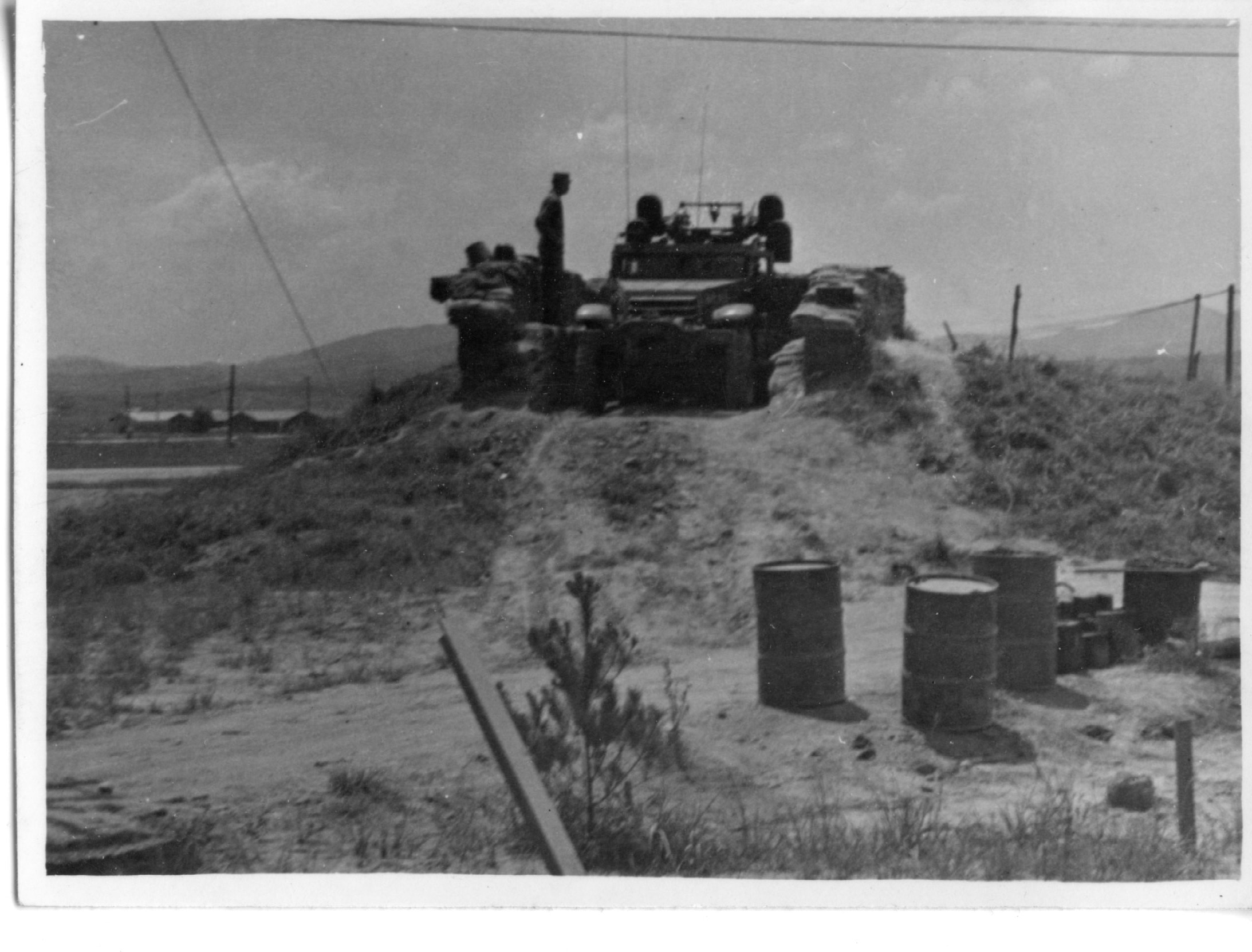
51st Comm Squad. Barracks at K-13-Suwon, Korea
August 1952

Looking down pathway to Pilots quarters 25th Ftr Intr Sqad K-13 (1952-8-20)

1952
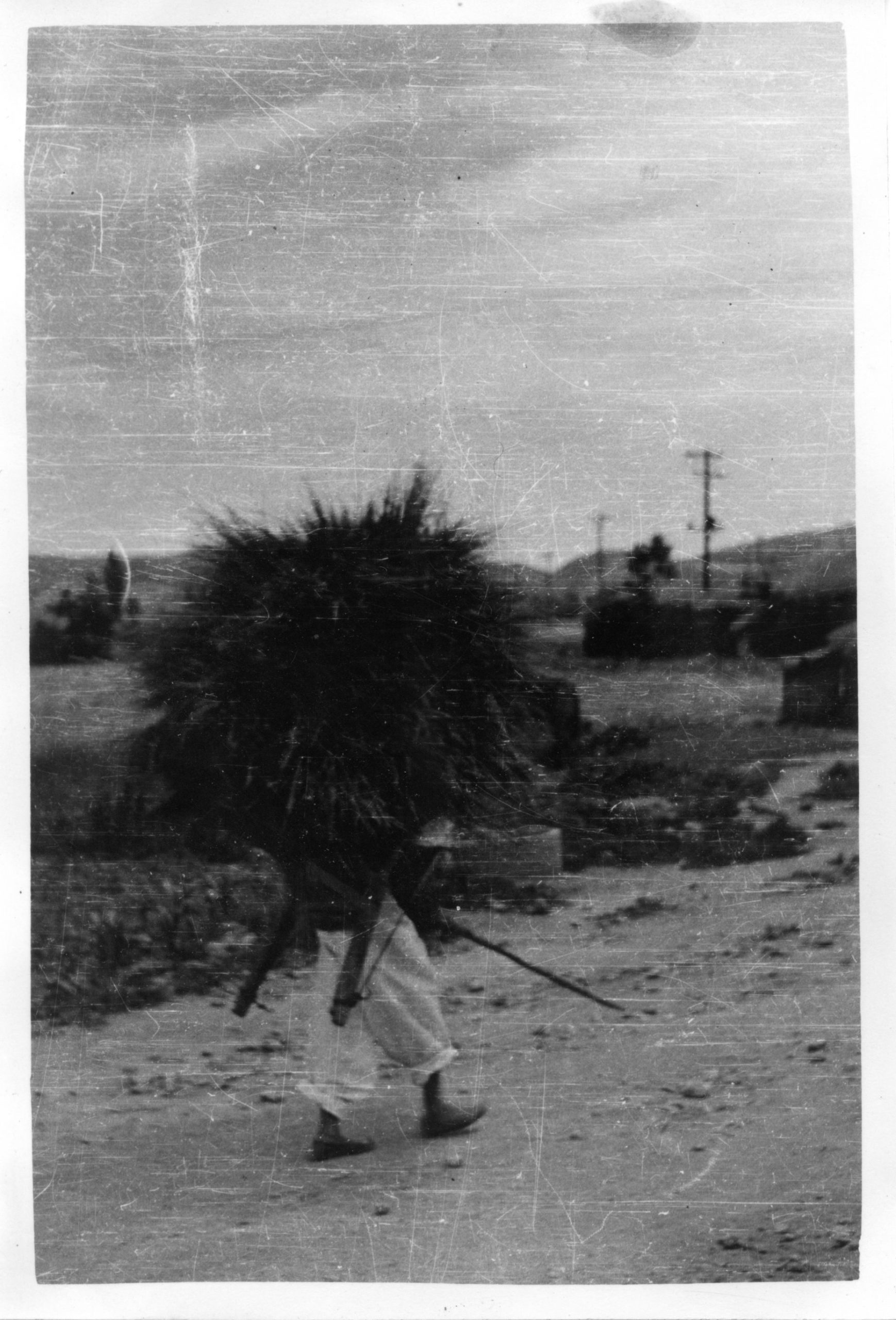
Birds eye view of Kukura,Japan (1952-9-20)
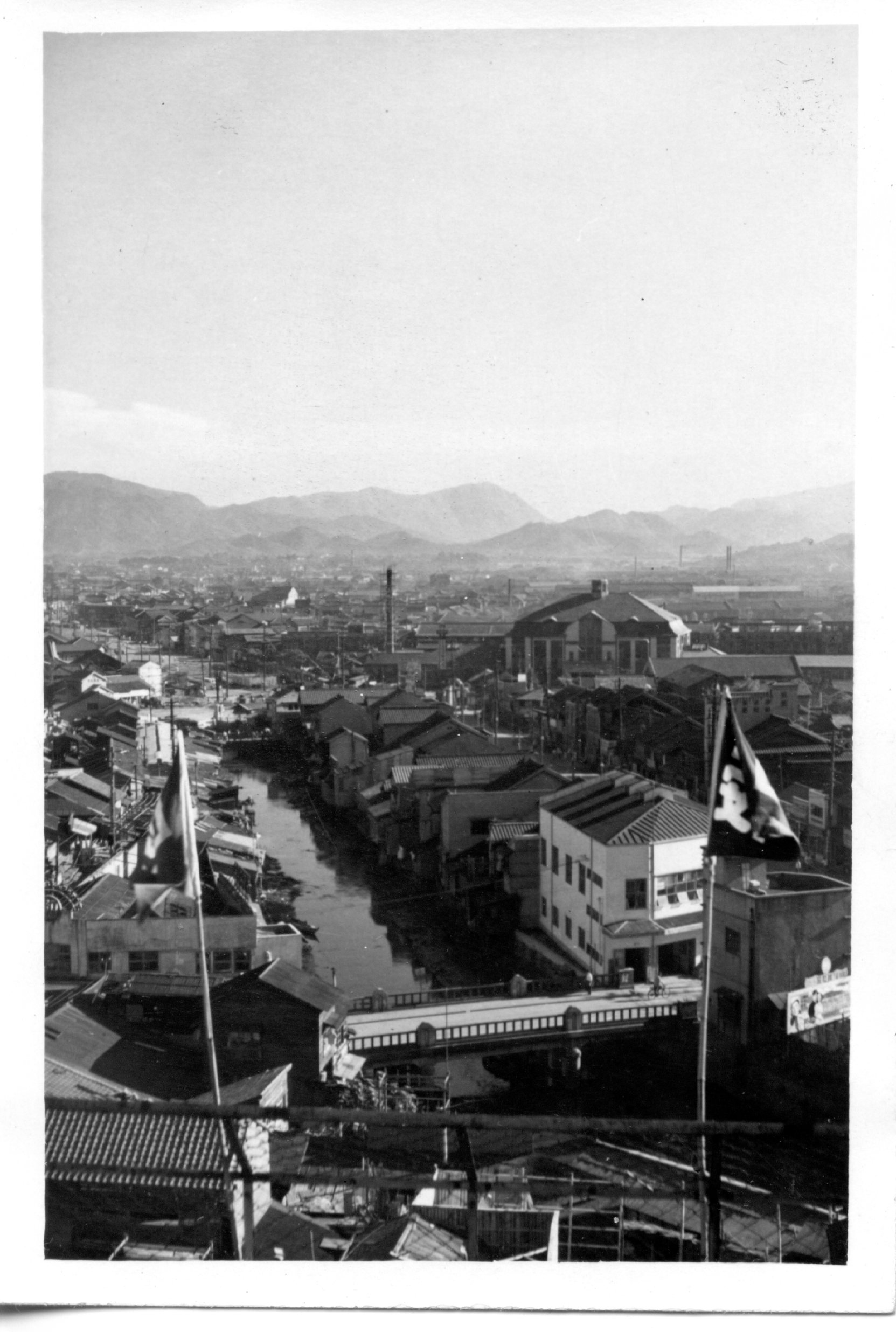
Drinking well at Suwon City Hospitable Suwon, Korea (1952-9-20)
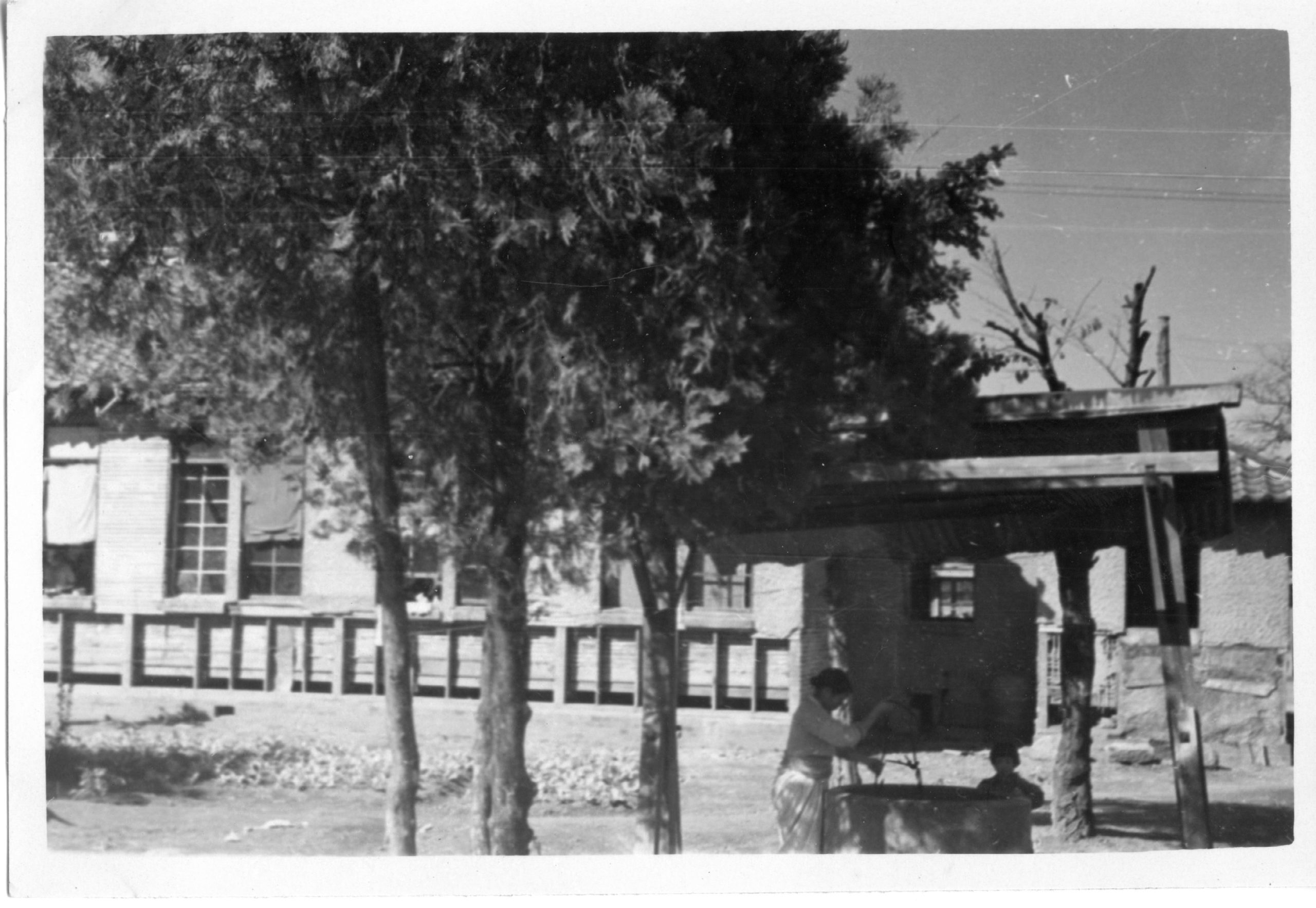
United Nations Council Assitance Office in Suwon, Korea (1952-9-20)

Picture of a young man that we sponsored at Suwon, College
1952-9-21
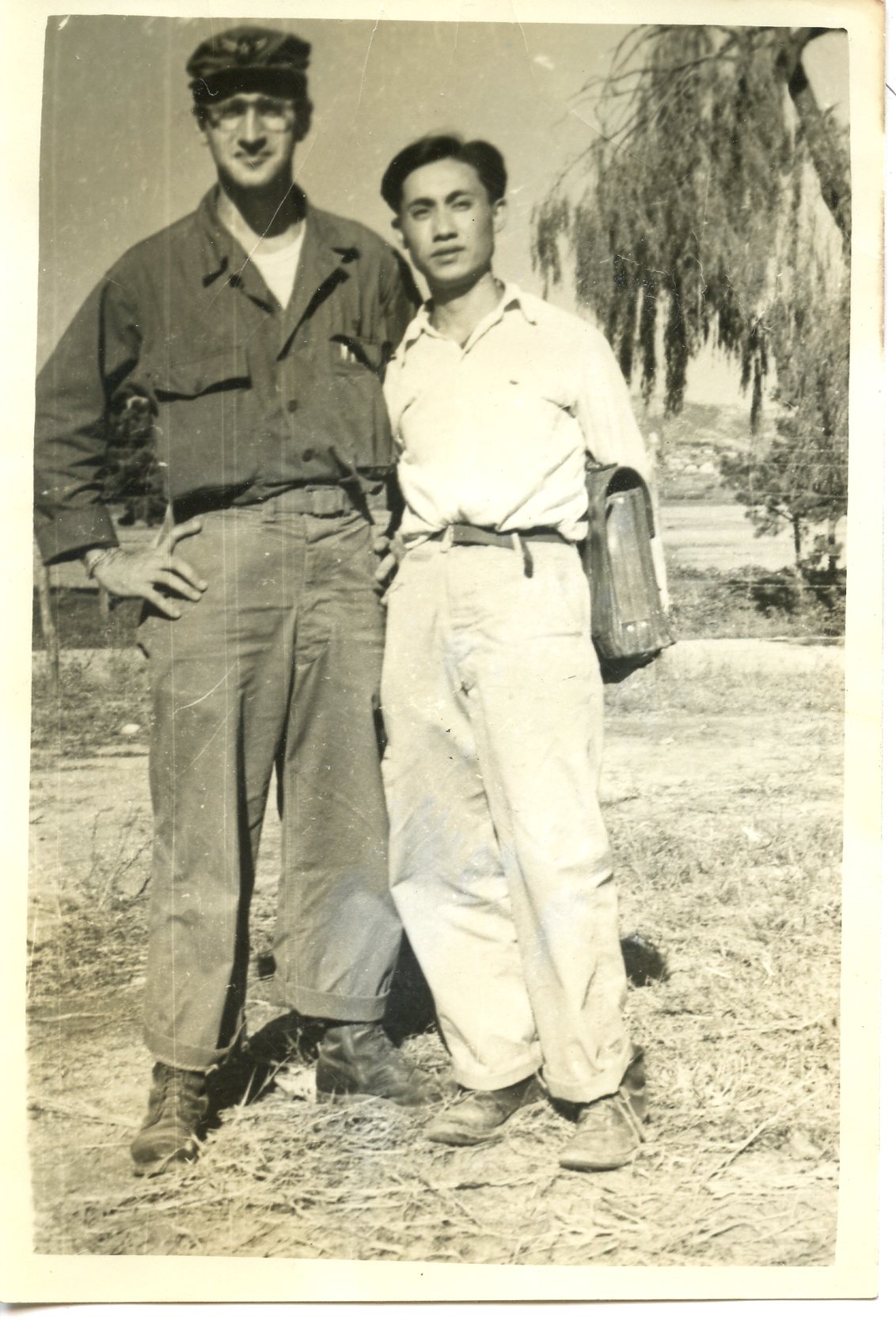
C-119 waiting for passengers at K-13
Septembber 1952

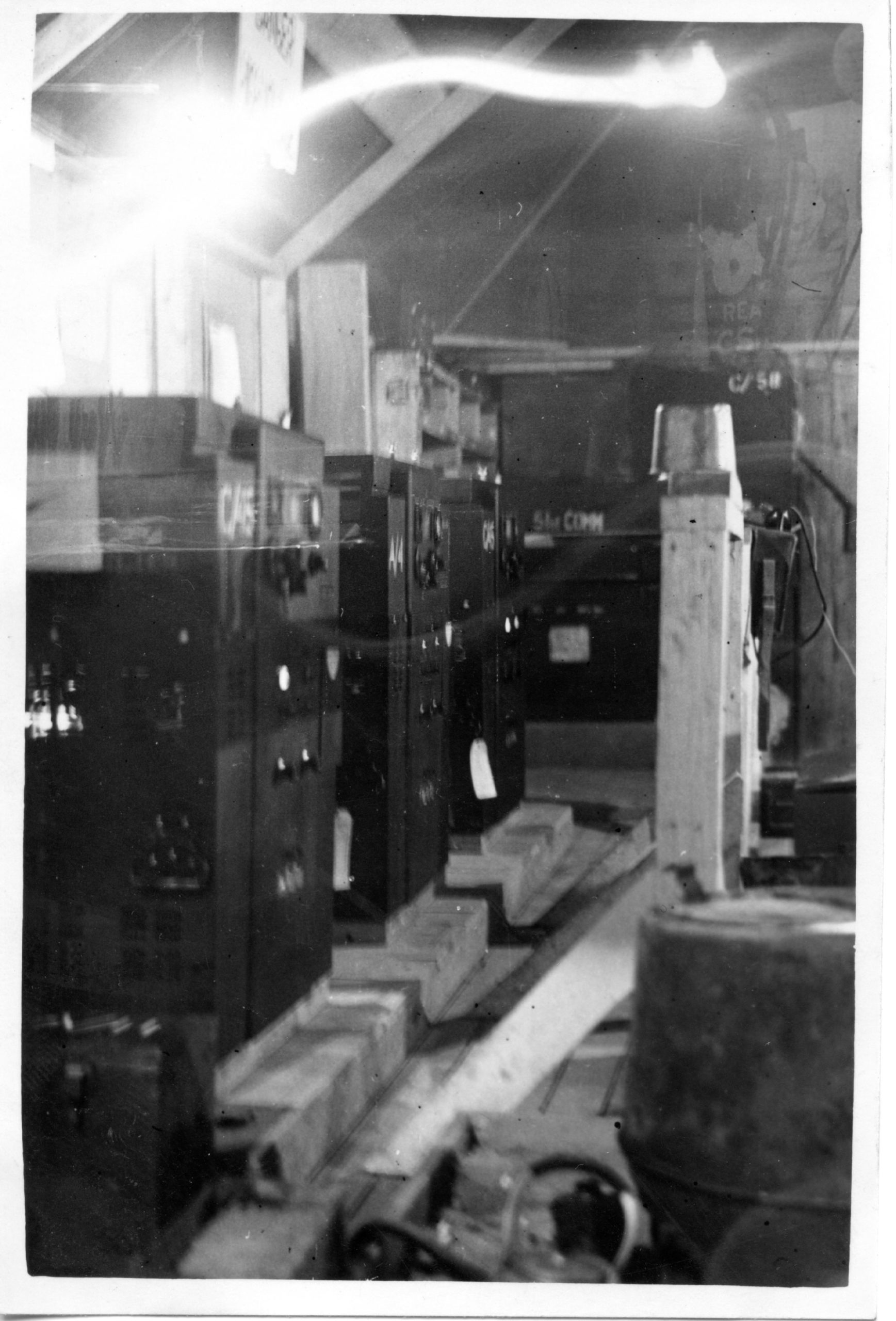
Inside our Radio Shack 51st Comm Sq. at K-13 Suwon, Korea
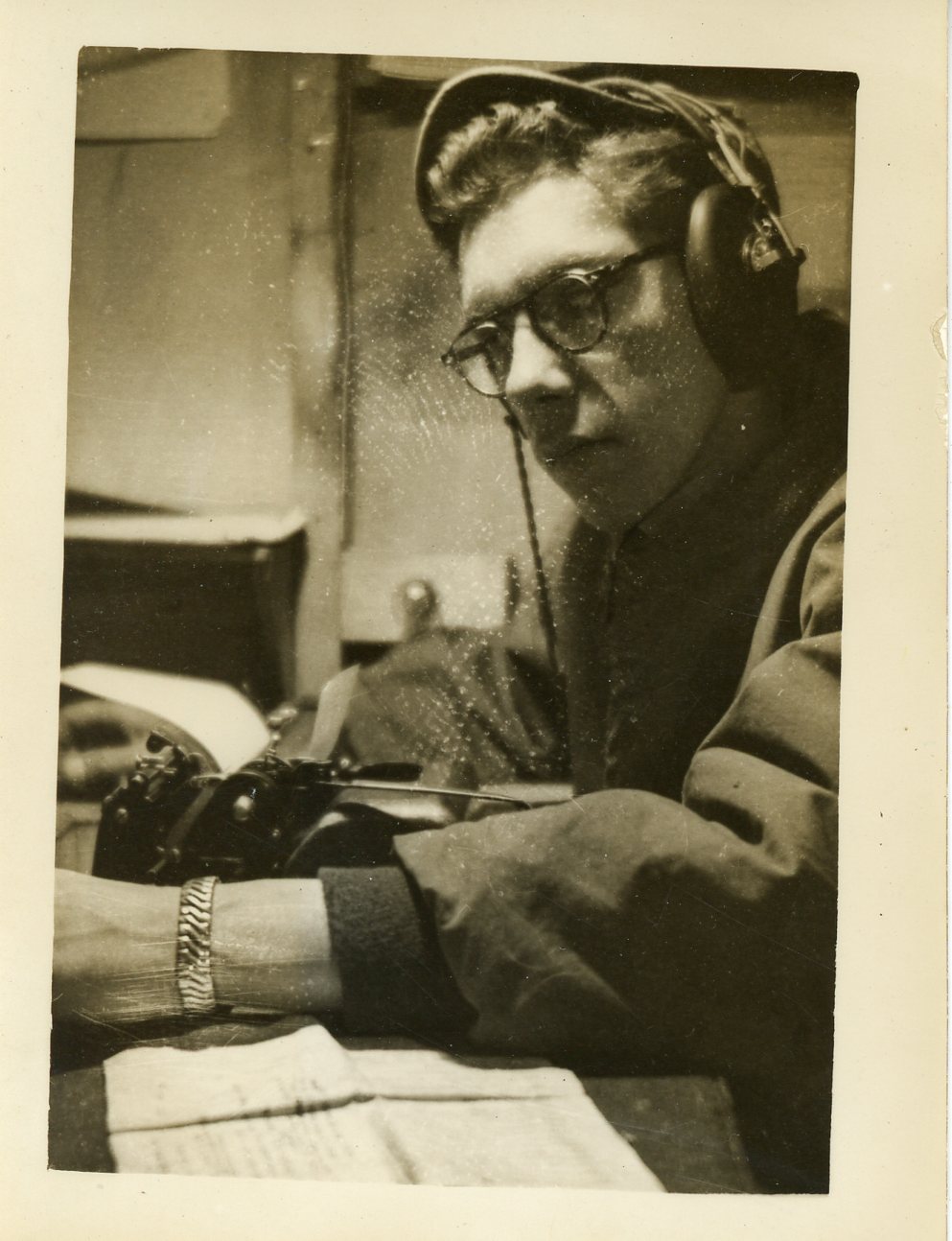
Charels Garrod Preparing Status Report
Jan. 1953
Communications center 51st Comm Squadron (1952-8-28)