
Laverne Lentz
This content was supplied by family and/or community members
Bio
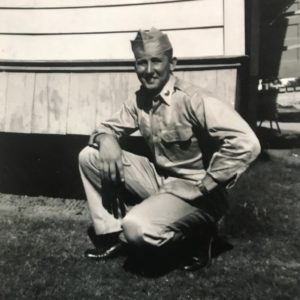
Laverne Lentz, of Aurora, IA, was born on March 26, 1933, and grew up on a small family farm in Northeast Iowa.
On March 2, 1953, he was drafted into the U.S. Army and trained for FDC (fire direction control). After basic training, he was able to go home to Iowa. Back home, he proposed to his girlfriend, Phyllis, and got engaged. He would write many letters to Phyllis while he was over in Korea. Once, he even called her on the phone. It cost him $16, and he had to plan the phone call weeks in advance. For the phone call to happen, he had to write Phyllis a letter with the details of where to be and when to receive the call. Many homes lacked the technology to support a call from another country.
He was offered a position on the Army swim team to stay in the States, but he declined. LaVerne felt very strongly that it was his duty to serve his country with his unit. Laverne left for Korea on July 27th, 1953, and arrived sometime in August. He served in a couple of different places in Korea, but most of his time was spent in Daegu. He was originally assigned to the 24th Division as part of the Fire Direction Center. However, when he arrived,, they were already full in that position, and he was transferred to headquarters, where he managed many of the unit’s administrative duties. During his tour, he advanced to the rank of personnel sergeant.
Laverne had many different administrative responsibilities in his job in personnel. They included keeping track of people’s roles in the war and ensuring they were rotated into different positions. Ordering, sorting, and issuing clothing were lighter tasks than he was assigned. He was also responsible for assigning dates for people to come home.
Laverne also had the task of giving soldiers their money, also known as Military Pay Certificates. He was very good with numbers and organized, so this task fit him well. One time, the black market for the MPCs got so out of hand that he was assigned to a team tasked with fixing the problem. Many ordinary people had gotten their hands on the MPCs, and it no longer had the value it originally did. The American soldiers had to come in to exchange their MPCs, and Laverne would issue them new ones. One night, they stayed up for 24 hours to count all the old MPCs that had arrived.
For some soldiers, including Laverne, the black market also provided some easy income. As a part of his basic necessities, Laverne was issued cigarettes once a week from the army. However, Laverne wasn’t a smoker. He quickly found out that if he put his cigarettes at the end of his bed, other soldiers would leave him MPCs in return.MPCs were a very valuable commodity for soldiers.
Laverne Lentz was originally scheduled for a 2-year tour but was sent home in December 1953 after honorably serving 5 months. Soldiers were usually able to go home early during wartime.